Electricians: A Comprehensive Overview
Introduction
In today's world, electricity is the lifeblood of modern civilization, powering our homes, businesses, and industries. At the forefront of this electrical revolution are electricians—skilled professionals who install, maintain, and repair electrical systems. This article aims to provide an in-depth exploration of the role, impact, and future of electricians, offering insights into their essential contributions to society. We will navigate through various aspects, from historical roots to technological innovations, to understand why electricians are not just critical workers but also catalysts for progress and sustainability.
Understanding Electricians: The Backbone of Electrical Systems
Definition: Electricians are licensed professionals specializing in the electrical industry. Their expertise encompasses a wide range of tasks, including installing, testing, repairing, and maintaining electrical wiring, equipment, and systems in both residential and commercial settings.
Core Responsibilities:
- Installation: Laying the foundation for electrical functionality involves setting up power outlets, switches, lighting fixtures, and complex wiring networks.
- Wiring and Cable Management: Electricians meticulously route cables, ensuring they meet safety standards and aesthetic considerations.
- Maintenance and Repairs: Regular check-ups and prompt issue resolution are crucial to prevent electrical faults and ensure system reliability.
- Safety Protocols: Adhering to strict safety measures is paramount to protect both workers and the public from potential hazards.
Historical Context: The history of electricians dates back centuries, with early pioneers like Benjamin Franklin making significant contributions to understanding electricity. However, it was in the late 19th century that the profession began to take shape as specialized trades. The rise of industrialization led to a growing demand for skilled electricians to meet the electrical needs of burgeoning cities and factories.
Significance: Electricians are vital for:
- Safety: They ensure the safe distribution and use of electricity, preventing accidents and fires.
- Reliability: Reliable electricians maintain the stability of power systems, ensuring continuous supply.
- Efficiency: Skilled technicians optimize energy usage, leading to cost savings and reduced environmental impact.
- Innovation: Electricians play a pivotal role in adopting and implementing new technologies, such as renewable energy sources and smart grid systems.
Global Impact and Trends
Electricians are not confined to specific regions; their influence is felt worldwide. International trends and developments significantly shape the profession:
| Region | Key Trends | Impact |
|---|---|---|
| North America | Growing demand for renewable energy integration, especially solar and wind power. | Electricians are increasingly involved in installing and maintaining these systems, contributing to a sustainable future. |
| Europe | Strict energy efficiency standards and regulations drive the need for skilled electricians. | The focus on retrofitting buildings and implementing smart grid technologies has led to increased job opportunities. |
| Asia-Pacific | Rapid urbanization and industrialization create a high demand for electrical infrastructure development. | Electricians are at the forefront of building new cities, ensuring their electrical systems meet modern standards. |
| Middle East | Large-scale infrastructure projects, particularly in renewable energy, drive the need for specialized labor. | This region offers significant opportunities for electricians, contributing to its growing green energy initiatives. |
Economic Considerations: Powering Growth and Investment
The economic landscape of electricians is dynamic and multifaceted:
- Market Dynamics: The electrical contracting industry is a vital component of many economies, with fluctuations in construction, infrastructure development, and industrial growth directly impacting demand for electricians.
- Investment Patterns: Governments worldwide invest heavily in electrical infrastructure, driving job creation and skill enhancement initiatives. For instance, the U.S. Department of Energy's funding for energy efficiency programs has contributed to the expansion of electrician training programs.
- Economic Systems: Electricians play a crucial role in:
- Construction Sector: Driving economic growth through new building projects and renovations.
- Manufacturing: Ensuring efficient and safe electrical systems in factories, contributing to productivity gains.
- Renewable Energy Transition: Facilitating the shift towards sustainable energy sources, creating new job opportunities and reducing carbon footprints.
Technological Advancements: Electrifying Innovation
Technological progress has revolutionized the electrician's toolkit and expanded their capabilities:
- Smart Home Automation: Electricians are increasingly integrating smart devices into residential wiring, allowing for remote control and monitoring of lighting, heating, and security systems. This trend is driven by consumer demand for convenience and energy efficiency.
- Renewable Energy Systems: The adoption of solar panels, wind turbines, and battery storage solutions has created new roles for electricians. They are now involved in designing and maintaining these complex systems, requiring specialized training in renewable technologies.
- Internet of Things (IoT): IoT devices generate vast amounts of data, necessitating robust electrical infrastructure. Electricians contribute to the installation and management of these networks, ensuring seamless connectivity.
- Advanced Diagnostics: Modern tools enable electricians to quickly identify issues with precision. For example, infrared thermography helps in detecting faulty connections or overheated components.
Policy and Regulation: Ensuring Safe and Reliable Practices
Governments worldwide recognize the critical role of electricians and have implemented policies and regulations to ensure safety, quality, and consumer protection:
- Licensing and Certification: Most countries require electricians to obtain licenses or certifications to practice. These credentials assure clients that the technicians are qualified and up-to-date with industry standards.
- Safety Standards: Organizations like the International Electrotechnical Commission (IEC) set global standards for electrical installations, ensuring safety and compatibility.
- Building Codes: Local authorities enforce building codes that dictate minimum electrical requirements, wiring practices, and safety measures, guiding electricians' work.
- Insurance and Liability: Electricians are often required to carry insurance to protect against potential risks and liabilities arising from their work.
Challenges and Criticisms: Navigating Obstacles
Despite their vital role, electricians face several challenges that require proactive solutions:
- Skill Shortages: The demand for skilled electricians often exceeds the available supply, leading to labor shortages in many regions. Addressing this gap through comprehensive training programs is crucial.
- Safety Concerns: Electric work inherently carries risks, and accidents can have severe consequences. Continuous safety training and adherence to best practices are essential to mitigate these risks.
- Inefficient Work Practices: Outdated methods and processes can hinder productivity and increase costs. Embracing technology and modern techniques can streamline electrician work.
- Public Perception: In some regions, electricians may face misconceptions or negative stereotypes, impacting their professional reputation. Public education campaigns can help foster a positive image.
Strategies for Overcoming Challenges:
- Enhance training programs to meet industry demands.
- Implement regular safety awareness programs and workshops.
- Encourage the adoption of new technologies to improve efficiency and reduce risks.
- Collaborate with educational institutions to promote electrician careers, targeting young talent.
Case Studies: Real-World Applications and Success Stories
1. Smart City Lighting Upgrades (Singapore)
Singapore's Smart Nation initiative includes a comprehensive lighting retrofitting program. Electricians collaborated with technology providers to install intelligent LED street lights across the city-state. This project improved energy efficiency, reduced carbon emissions, and provided real-time data for traffic management and public safety. The successful implementation highlights the role of electricians in driving smart city initiatives.
2. Renewable Energy Transition in Germany
Germany's Energiewende (energy transition) policy has led to a massive shift towards renewable energy sources. Electricians have been instrumental in installing solar panels, wind turbines, and related electrical infrastructure. This case study demonstrates their contribution to a sustainable future and the importance of skilled labor in transitioning to green energy economies.
3. Resilient Energy Distribution Networks (U.S.)
In response to severe weather events, several U.S. cities have implemented resilient energy distribution networks. Electricians play a critical role in designing and installing backup power systems, microgrids, and advanced electrical protection devices, ensuring uninterrupted power supply during emergencies.
Future Prospects: Electrifying Tomorrow
The future of electricians is bright, filled with opportunities for growth and innovation:
- Renewable Energy Integration: As the world shifts towards renewable energy sources, electricians will remain at the forefront, installing and maintaining solar, wind, and hydroelectric power systems.
- Smart Grid Development: The evolution of smart grids demands advanced electrical infrastructure and digital connectivity. Electricians will be key to deploying these technologies, ensuring efficient and responsive power distribution.
- E-Mobility Revolution: The rise of electric vehicles (EVs) necessitates the development of charging infrastructure. Electricians can contribute to this transition by installing EV charging stations and optimizing electrical systems in homes and public spaces.
- Digitalization of Electrical Services: The integration of IoT, AI, and cloud computing will create new business models and service offerings for electricians, enabling remote monitoring and predictive maintenance.
Conclusion: Electrifying Progress, Sustaining the Future
Electricians are not just workers; they are architects of our modern world, shaping our homes, businesses, and cities with electricity. From historical pioneers to today's tech-savvy professionals, their role has evolved while retaining its core purpose—ensuring safe, reliable, and efficient electrical systems.
As we navigate the complexities of a rapidly changing global landscape, electricians will remain indispensable. Their skill sets must adapt to embrace new technologies and address emerging challenges. With continued investment in training, safety, and innovation, electricians can power sustainable growth, drive digital transformation, and contribute to a more connected future.
FAQ: Answering Common Queries
Q: What qualifications do I need to become an electrician? A: Requirements vary by region but typically include completing an apprenticeship program, passing practical and theoretical exams, and obtaining a license or certification.
Q: Are there any safety precautions electricians should always follow? A: Absolutely! Electricians must adhere to strict safety protocols, including using personal protective equipment (PPE), following safe work practices, and staying updated on industry safety standards.
Q: How do I know if I need an electrician for a small home repair? A: If the task involves electrical work like installing new outlets, repairing wiring, or working with electrical appliances, it's best to call a licensed electrician for safety and quality assurance.
Q: What is the average salary for electricians? A: Salaries vary globally but generally range from $50,000 to $100,000 annually, depending on experience, location, and specialization.
Q: Can electricians help with home automation? A: Yes! Electricians can install and maintain smart home systems, including lighting controls, security cameras, and home entertainment networks, enhancing convenience and energy efficiency.
Category: Electricians
Hire an Electrician: Ensure Safety, Avoid Risks, Master Expertise
Hiring an electrician is crucial for your safety and peace of mind, as they possess specialized knowledge and rigorous training in navigating complex electrical systems. By outsourcing electrical work, you eliminate DIY risks associated with potential hazards like fires or shocks, ensuring a secure.......
Read more →
Hire an Electrician: Ensure Safety, Avoid Hazards with Professional Expertise
Hiring a electrician offers significant benefits by mitigating risks associated with electrical work. Trained professionals ensure safe resolutions to complex issues, protecting homes and families from potential disasters. Their specialized knowledge and tools prevent shocks, electrocution, fires, a.......
Read more →
Hire an Electrician: Ensure Expertise, Safety, and Peace of Mind
Hiring an electrician is a smart move due to their specialized skills, knowledge of local regulations, and strict adherence to safety standards, making them superior to DIY attempts for complex electrical work. Professionals mitigate risks, ensure efficient use of tools, and maintain property &.......
Read more →
Hire an Electrician: Safety, Expertise, Peace of Mind
Hiring an electrician is far safer and more efficient than attempting electrical work yourself. Professionals bring specialized knowledge and skills, adhering to local safety codes while saving you time and preventing potential hazards. They offer lasting solutions with minimal disruption to your ro.......
Read more →

Professional Electrical Services: The Case for Hiring an Electrician Over DIY
When dealing with electrical issues at home or in a commercial space, it's crucial to hire a pr.......
Read more →
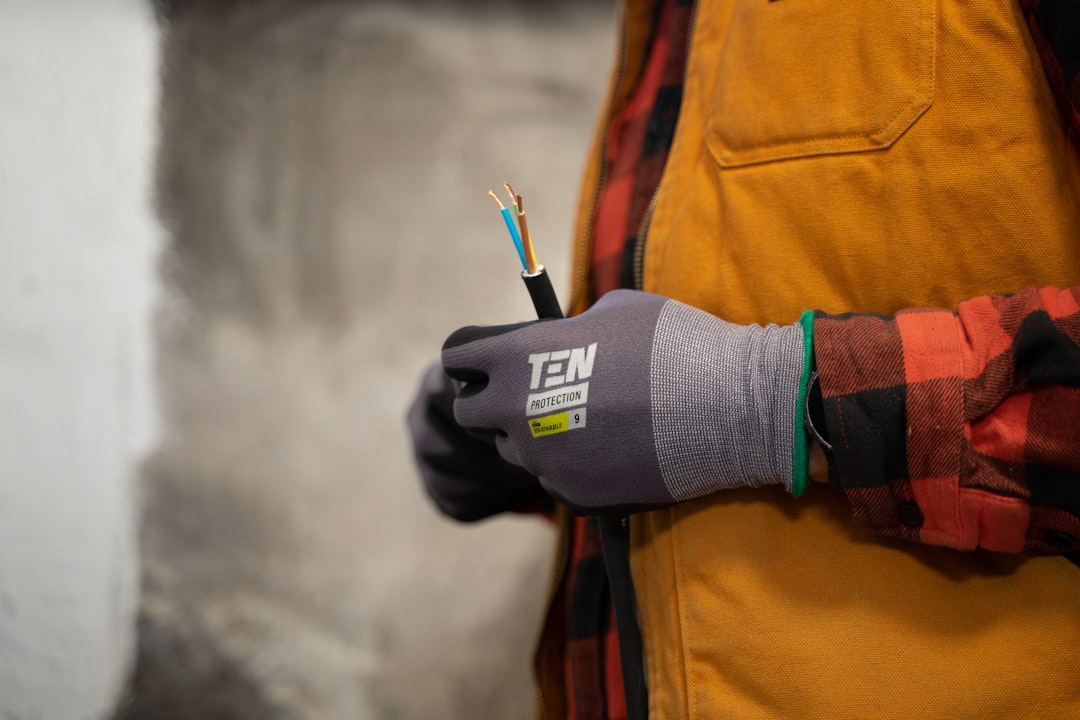
Safety and Savings: Why Professional Electricians Outperform DIY
Professional electricians are essential for handling complex residential and commercial electrical s.......
Read more →

Professional Electrical Services: Safety, Savings, and Expertise Over DIY
Electricians are trained professionals who specialize in resolving complex electrical issues safely.......
Read more →

Professional Electricians: Ensuring Safety and Cutting Costs for Your Home
Professionally certified electricians are essential for ensuring the safety, compliance, and effici.......
Read more →

Electrician Hire: Ensuring Home Safety & Efficiency Over DIY
Professional electricians are essential for ensuring the safety, efficiency, and compliance of your .......
Read more →